What Is RSO?
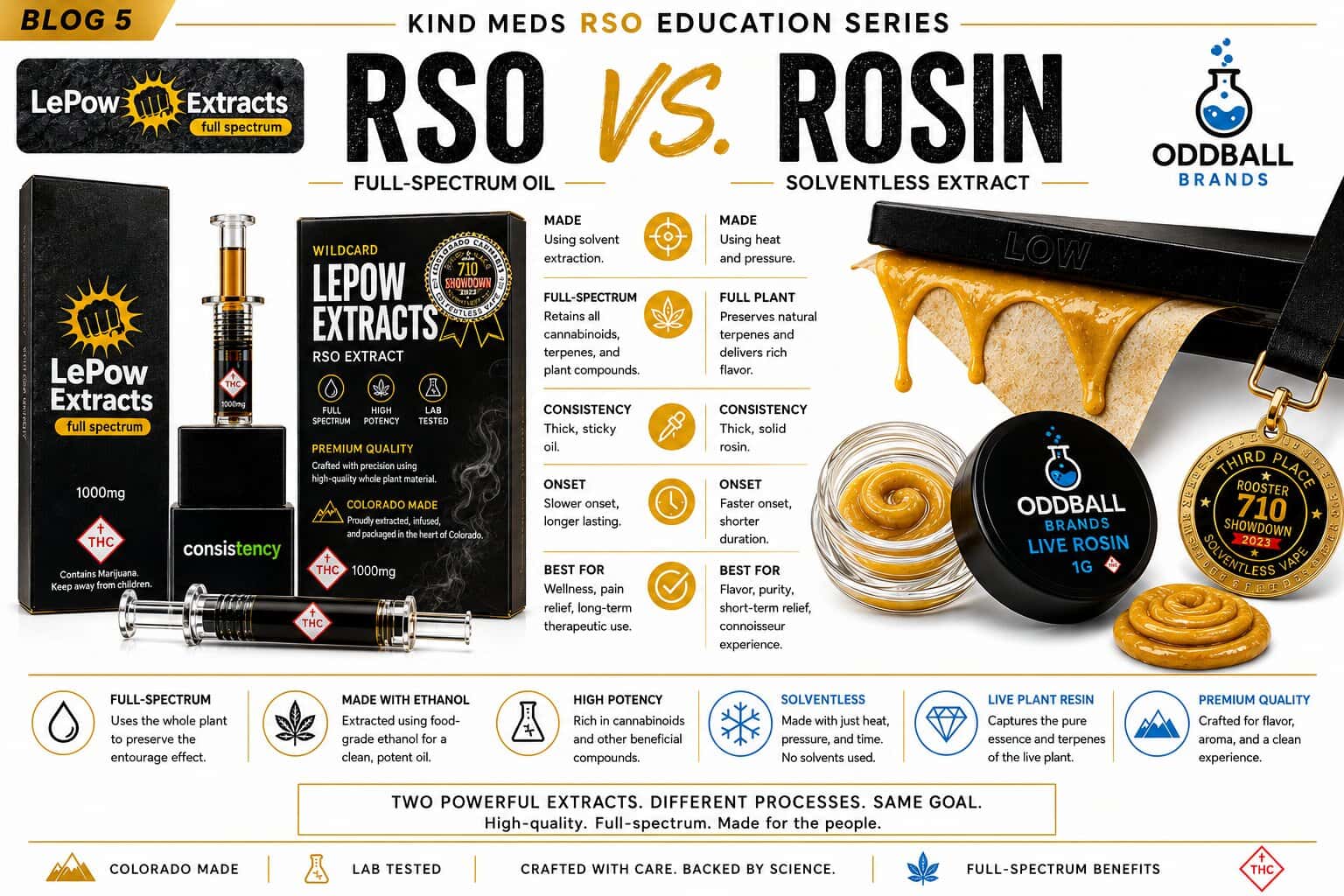
Rick Simpson Oil (RSO) is a whole-plant cannabis extract designed to retain a broad range of naturally occurring cannabinoids and other plant compounds. Unlike many concentrates that focus primarily on high THC or terpene preservation, RSO is produced from the entire cannabis plant to create a true whole-plant extract. Lepow Extracts RSO is manufactured using food-grade ethanol as the extraction solvent. After extraction, the oil undergoes additional processing, including filtration and solvent removal, before being laboratory tested in accordance with Colorado regulations. Because RSO contains a broad range of naturally occurring plant compounds, it typically has a dark brown to nearly black appearance and a thick, oil-like consistency. It is commonly packaged in syringes for accurate dispensing. Many consumers appreciate RSO because it reflects a whole-plant extraction philosophy rather than isolating only a few compounds from the cannabis plant.What Is Live Resin?
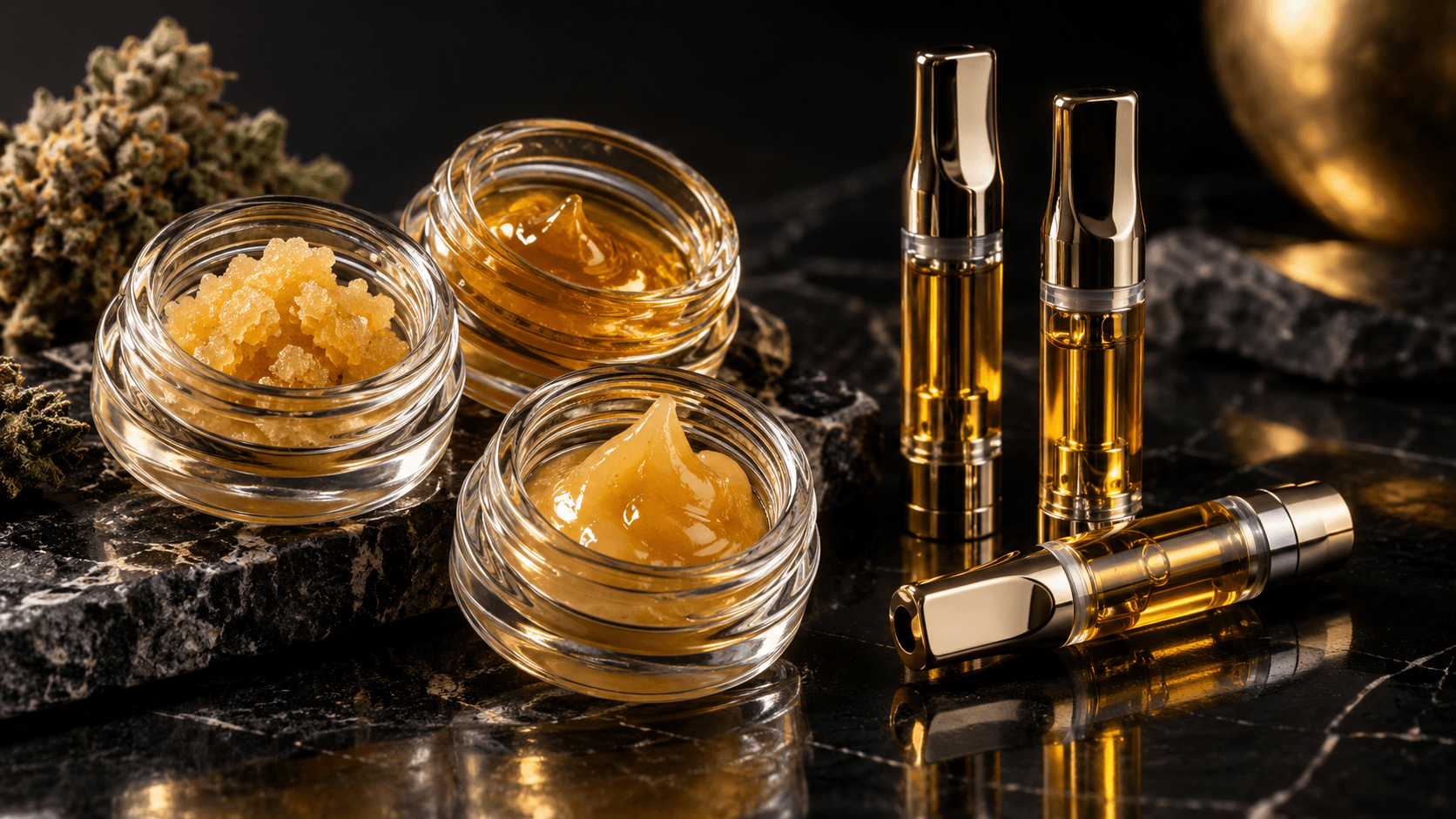
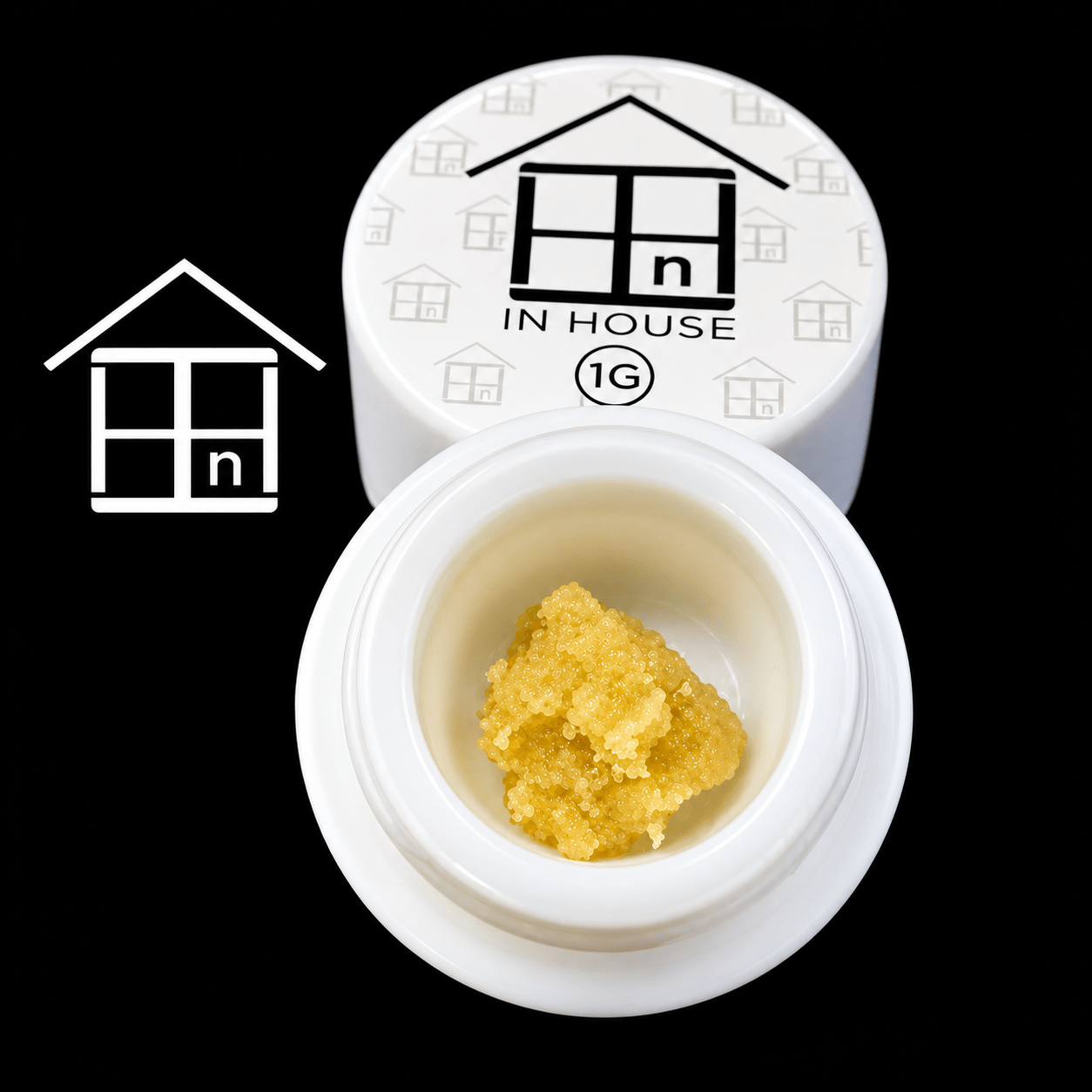
Live resin is a cannabis concentrate produced from freshly harvested cannabis that is frozen immediately after harvest rather than dried and cured. Freezing the plant helps preserve many of the volatile aromatic compounds known as terpenes. Unlike RSO, live resin is commonly produced using hydrocarbon extraction methods, such as butane or propane, followed by purification and laboratory testing to ensure the finished product meets Colorado safety standards. Live resin is recognized for its rich aroma, flavorful terpene profile, and soft concentrate textures that may include badder, sugar, sauce, or similar consistencies. It is commonly consumed through vaporization or dabbing. Although both RSO and live resin originate from cannabis, they are produced using different techniques and are intended for different types of consumers.How Are RSO and Live Resin Made?
One of the biggest differences between RSO and live resin is how each product is manufactured.How RSO Is Made
The production of RSO begins with whole cannabis plant material. The plant is processed using food-grade ethanol, which extracts cannabinoids and other naturally occurring plant compounds. The extract is then filtered, refined, and carefully processed to remove the ethanol before undergoing laboratory testing required by Colorado regulations. The result is a thick, dark whole-plant cannabis extract that reflects the broad chemical profile of the source material.How Live Resin Is Made
Live resin follows a very different production process. Instead of using dried and cured cannabis, freshly harvested plants are frozen immediately after harvest to help preserve delicate terpenes. The frozen cannabis is extracted using hydrocarbon methods under controlled conditions. After extraction, residual solvents are removed, and the concentrate is purified and laboratory tested before being packaged for sale. Because of these different production methods, RSO and live resin develop very different cannabinoid, terpene, appearance, and consistency profiles—even though they both originate from the same cannabis plant. Cannabinoid Comparison Although both RSO and live resin are cannabis concentrates, they are produced with different priorities in mind.RSO is a whole-plant extract made to retain a broad range of naturally occurring cannabinoids from the cannabis plant. Depending on the starting material, RSO may contain THC along with varying amounts of minor cannabinoids that naturally occur in the plant. Because it is made from the whole plant, the final extract reflects a broad cannabinoid profile rather than focusing on a single compound.Live resin also contains cannabinoids, but its defining characteristic is the preservation of the plant’s natural terpene profile. While live resin is often high in THC, the exact cannabinoid content varies by strain and extraction process.Both products should always be laboratory tested to verify potency and ensure they meet Colorado’s safety standards before being sold to consumers.Terpene Comparison One of the biggest differences between RSO and live resin is terpene preservation.Live resin is produced from freshly frozen cannabis specifically to help preserve volatile terpenes that can be lost during the traditional drying and curing process. These terpenes contribute to the aroma and flavor that many consumers associate with live resin.RSO also contains naturally occurring terpenes, but maximizing terpene retention is not the primary goal of the extraction process. Instead, RSO is designed to create a whole-plant extract that contains a broad range of cannabinoids and other naturally occurring cannabis compounds.Rather than being better or worse, the two products are simply designed with different production goals.Appearance and Consistency The appearance of these concentrates is another easy way to distinguish them.RSO – Thick, dense oil – Dark brown to nearly black – Commonly packaged in dispensing syringesLive Resin – Golden to amber in color – May appear as sauce, badder, sugar, or other concentrate textures – Typically packaged in concentrate jars or vape cartridgesThese visual differences are a direct result of the extraction methods and the compounds preserved during production.Common Uses Although both products are cannabis concentrates, they are commonly used in different ways.RSO is generally intended for oral use. It is commonly dispensed directly from a syringe and may be consumed as directed or incorporated into food or capsules, depending on the consumer’s preference.Live resin is primarily intended for inhalation. It is commonly used in vape cartridges or consumed through concentrate devices designed for vaporizing or dabbing.Consumers should always read product labels carefully and use cannabis products responsibly in accordance with Colorado law.Which One Is Right for You? Choosing between RSO and live resin depends on what you’re looking for rather than which product is “better.”You may prefer RSO if you are interested in a whole-plant cannabis extract produced with food-grade ethanol and intended for oral use.You may prefer live resin if you’re looking for a terpene-rich cannabis concentrate designed for inhalation and known for preserving the aroma and flavor of freshly harvested cannabis.Because each product serves a different purpose, many experienced consumers appreciate both for different reasons.Why Kind Meds Produces Whole-Plant RSO Since 2009, Kind Meds has focused on producing high-quality cannabis products for Colorado consumers.Under the Lepow Extracts brand, our RSO is produced using a whole-plant, food-grade ethanol extraction process. Every batch is manufactured in our licensed facility and laboratory tested in accordance with Colorado regulations before reaching dispensary shelves.Our goal is simple: produce consistent, high-quality whole-plant cannabis extracts while providing the education consumers need to make informed decisions about the products they choose. Conclusion While RSO and live resin are both cannabis concentrates, they are produced using different methods and are intended for different purposes.RSO is a whole-plant cannabis extract made using food-grade ethanol to retain a broad range of naturally occurring cannabinoids and other plant compounds. Live resin is produced from freshly frozen cannabis to preserve the plant’s natural terpene profile and is commonly used as an inhalable concentrate.Neither product is inherently better than the other—they simply offer different experiences. Understanding how each is made, how it is commonly used, and what makes it unique can help consumers make more informed decisions.If you have questions about RSO, live resin, or other cannabis products, the knowledgeable team at Kind Meds is happy to help you find products that match your preferences and goals.RSO is a whole-plant cannabis extract made with food-grade ethanol, while live resin is made from freshly frozen cannabis to preserve terpenes and is commonly intended for inhalation.
No. Although both are cannabis concentrates, they use different extraction methods, starting materials, and are designed for different purposes.
RSO is generally formulated for oral use rather than vaporizing or dabbing. Always follow the manufacturer's directions for use.
RSO typically has a dark brown or black appearance because it contains a broad range of naturally occurring plant compounds extracted from the whole cannabis plant.
Live resin is specifically produced to preserve volatile terpenes, so it generally contains higher terpene levels than RSO.
Live resin may contain a broad range of cannabinoids and terpenes, but formulations vary depending on the extraction process and source material.
Yes. RSO is commonly recognized as a whole-plant cannabis extract because it is produced from the entire cannabis plant.
At Kind Meds, Lepow Extracts RSO is produced using a food-grade ethanol extraction process.
Live resin is commonly produced using hydrocarbon extraction methods with freshly frozen cannabis.
Freezing freshly harvested cannabis helps preserve volatile terpenes that contribute to aroma and flavor.
Many consumers incorporate RSO into food or capsules. Always use cannabis products responsibly and follow product labeling.
Live resin is generally intended for inhalation through vaporization or dabbing, depending on the product.
Their appearance reflects different extraction methods and production goals. RSO is thick and dark, while live resin is typically golden or amber with a softer consistency.
Yes. Colorado requires cannabis products to undergo laboratory testing before they are sold to consumers.
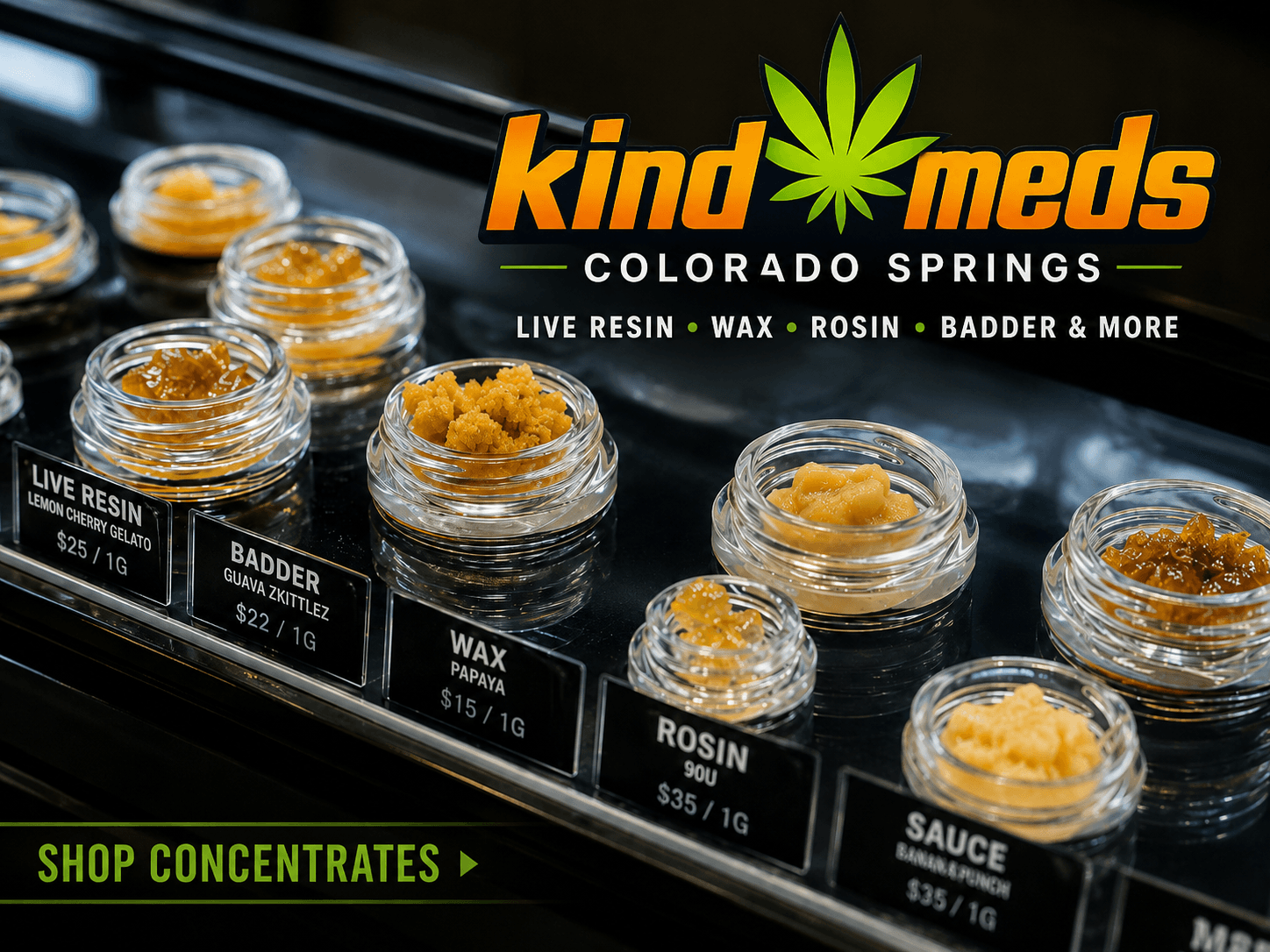
Yes. Kind Meds offers Lepow Extracts whole-plant RSO as well as a variety of cannabis concentrates, including live resin, subject to product availability.
The best choice depends on your preferences and intended use. If you have questions, the Kind Meds team can help explain the differences and guide you through the available options.