Product Basics
Appearance, Texture & Packaging
One of the easiest ways to tell RSO and rosin apart is by their appearance.
RSO is typically a thick, dark brown to nearly black oil with a highly viscous consistency. It is commonly packaged in a syringe, making it easier to dispense measured amounts.
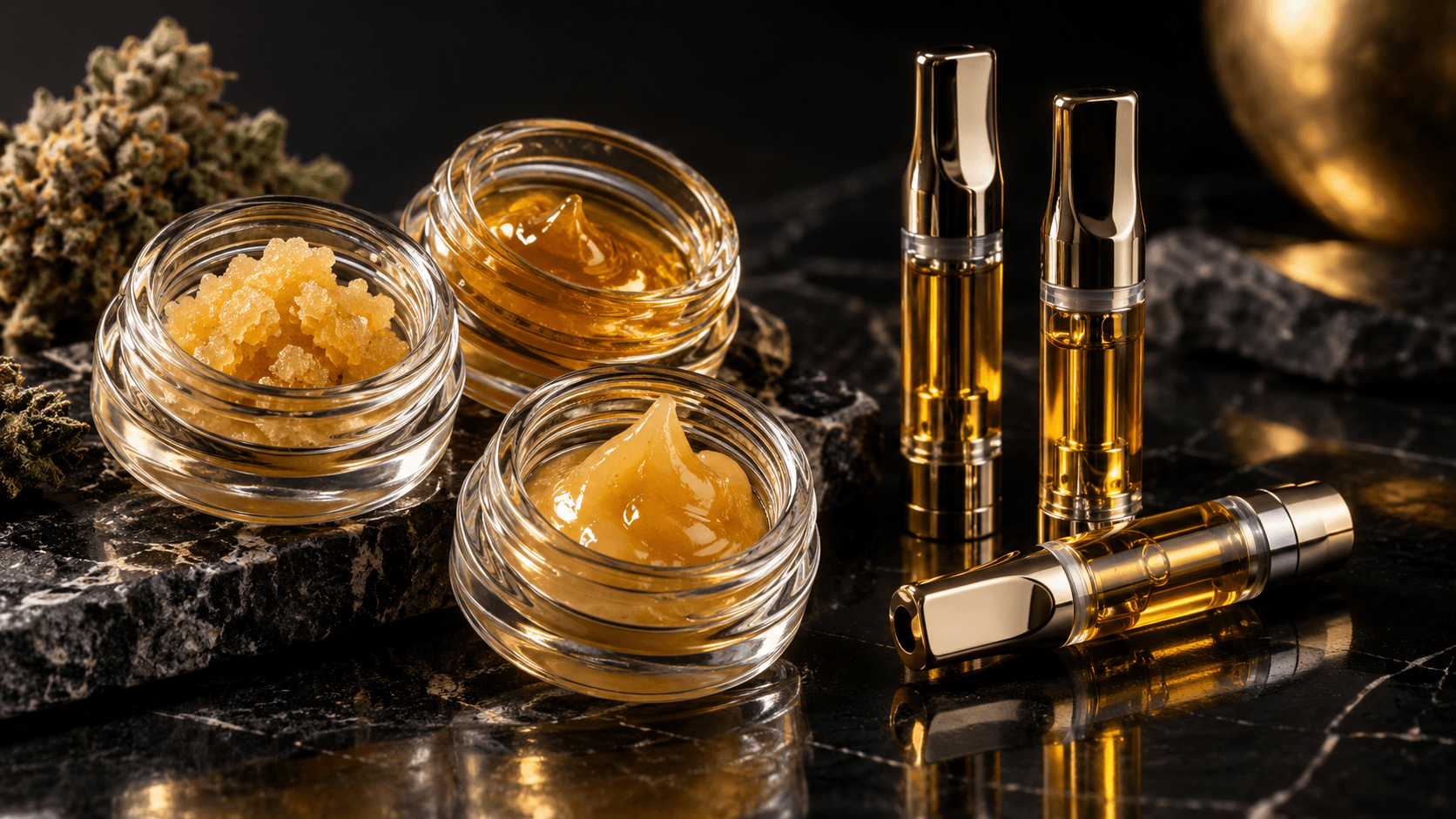
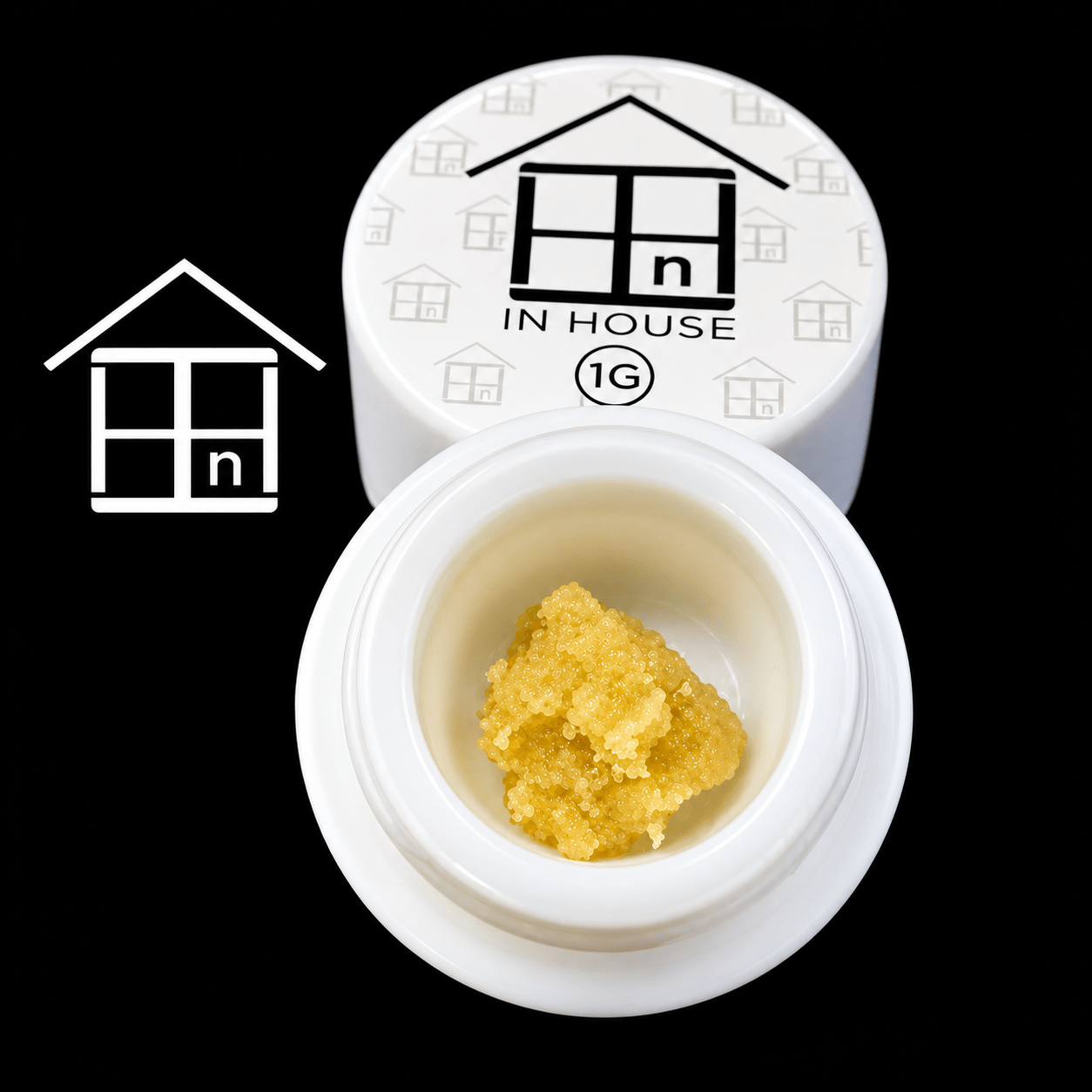
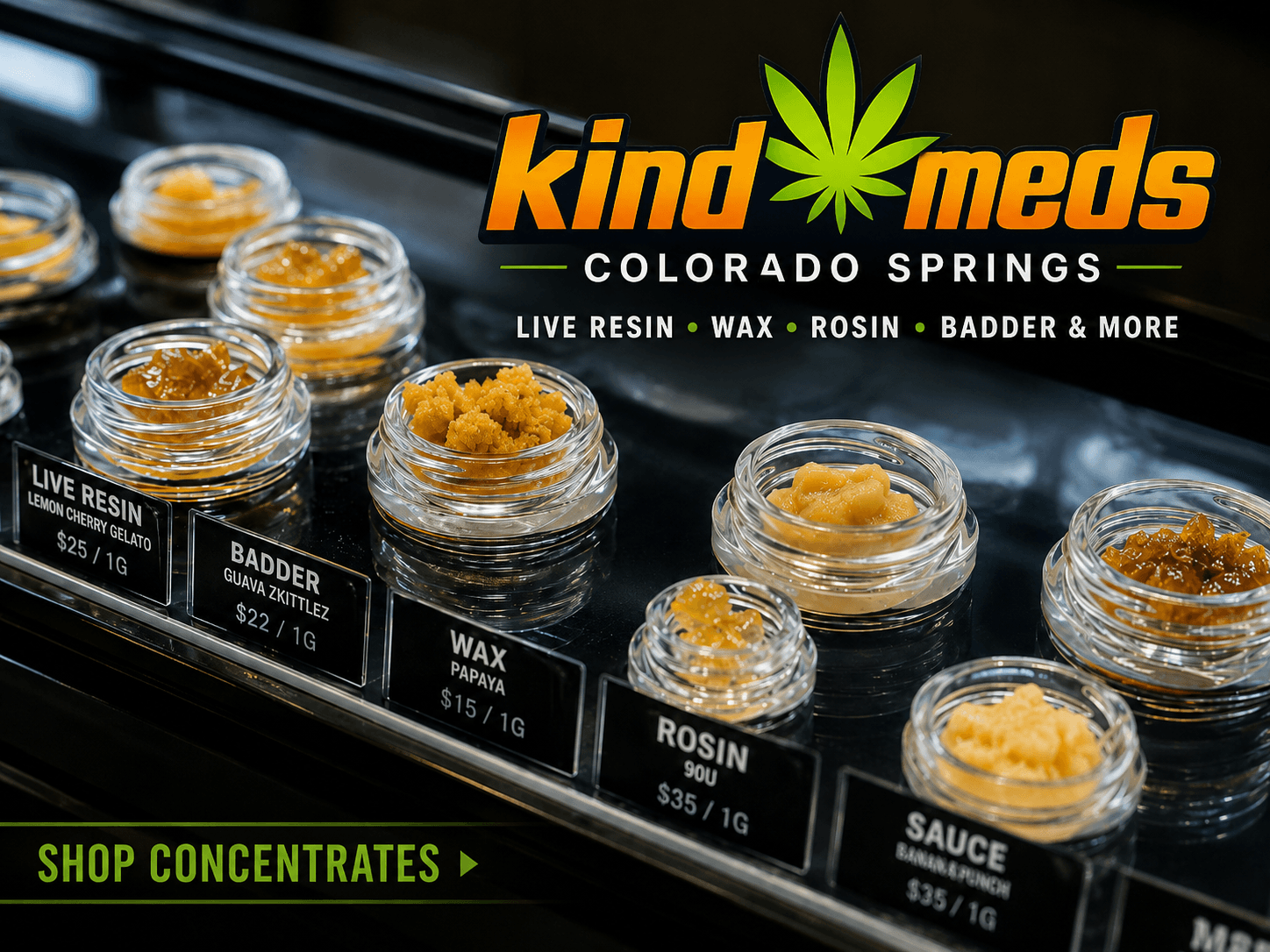
Rosin is usually golden, amber, or light brown. Depending on the starting material and processing, it may have a sap-like, buttery, badder, or jam-like consistency. Rosin is most often sold in small glass concentrate jars.
Although appearance can help identify a product, color alone should never be used to judge quality. The starting material and manufacturing process both influence the final appearance.
Cannabinoids, Terpenes & Full-Spectrum Differences
Cannabis contains hundreds of naturally occurring compounds, including cannabinoids, terpenes, flavonoids, and other plant constituents.
Whole-plant RSO is produced to retain a broad range of these compounds from the starting material, making it a full-spectrum extract.
Rosin also contains cannabinoids and terpenes, but its composition depends on the flower, hash, or kief used to make it and the pressing conditions.
Rather than asking which product is “better,” it’s more useful to understand that they are different concentrates made using different extraction methods.
Flavor & Aroma
Because rosin is produced by mechanically pressing resin from cannabis, it is often appreciated for its aroma and terpene-forward flavor.
RSO is not typically chosen for flavor. Instead, it is valued as a whole-plant cannabis extract designed to preserve a broad range of naturally occurring compounds.
Each product serves a different purpose, and personal preference plays an important role when choosing between them.
Common Consumer Uses
Consumers purchase RSO and rosin for different reasons.
RSO is commonly sold in syringes for measured dispensing or for incorporation into edible preparations.
Rosin is commonly purchased by consumers who prefer concentrates intended for vaporization or dabbing.
Always follow the product label and consume responsibly in accordance with Colorado law.
Extraction Methods, Genetics & Quality
How RSO Is Made
Rick Simpson Oil (RSO) is produced using a food-grade ethanol extraction process. Food-grade ethanol dissolves cannabinoids, terpenes, flavonoids, and other plant compounds. The ethanol is removed under controlled conditions, leaving a thick whole-plant cannabis oil. At Lepow Extracts, our RSO is produced using food-grade ethanol, winterization, multiple filtration steps, and comprehensive laboratory testing required under Colorado regulations.
How Rosin Is Made
Rosin is a solventless concentrate. High-quality rosin typically begins with fresh frozen cannabis. The frozen flower is washed in ice water to separate the trichome heads from the plant material. The trichomes are collected, dried into hash, and then pressed with carefully controlled heat and pressure to produce solventless rosin.
Genetics Matter
Genetics are one of the biggest factors affecting solventless hash and rosin production. Some cultivars are selected for attractive flower, while others are bred for large trichome heads that improve wash yield.
Wash Yield
From our cultivation experience, some OG Kush phenotypes may produce less than a 1% wash yield, while GG4 (Gorilla Glue #4) has produced more than a 4% wash yield under our production methods. Modern hash genetics may produce even higher yields. These figures are operation-specific examples, not guaranteed yields for every grower or batch.
Trichome Maturity & Rosin Color
Rosin color is influenced by genetics, trichome maturity, harvest timing, and processing. Mature amber trichomes often produce richer golden or darker rosin, while purple cultivars may naturally produce darker resin. Color alone should never be used as the sole indicator of quality.
Safety & Quality
Quality depends on healthy starting material, genetics, trichome maturity, laboratory testing, extraction methods, storage, and manufacturing consistency.
Common Myths About RSO and Rosin
Myth #1: Rosin is always better than RSO.
Fact: Neither concentrate is universally better. RSO and rosin are made for different purposes and provide different product characteristics. RSO is a whole-plant ethanol extract commonly selected by consumers seeking a concentrated, full-spectrum oil in a syringe. Rosin is a solventless concentrate commonly selected for its terpene expression, texture, aroma, and vaporization experience. The better choice depends on the consumer’s intended use, preferred format, and personal product preferences.
Myth #2: Darker rosin automatically means lower quality.
Fact: Color alone does not determine rosin quality. Rosin color can be influenced by cultivar genetics, plant pigmentation, trichome maturity, harvest timing, oxidation, drying, storage, press temperature, and processing technique. Mature trichomes naturally progress from clear to cloudy and then amber. When a cultivar is allowed to reach full maturity, the collected trichomes may create a richer golden or darker concentrate. Purple cultivars may also produce darker resin. Lighter rosin may come from earlier-harvested material, but lighter color by itself does not prove that a product is stronger, cleaner, or better.
Myth #3: Every attractive flower cultivar will produce high-yield rosin.
Fact: Flower appearance and solventless performance are not the same thing. Some cultivars are selected for visual flower traits, while others are selected for abundant, well-formed trichome heads that separate efficiently during ice-water washing. A beautiful flower may produce a low wash yield, while a less visually dramatic cultivar may perform exceptionally well for hash and rosin production.
Myth #4: Every cannabis strain produces approximately the same wash yield.
Fact: Wash yield varies considerably by phenotype, trichome structure, cultivation conditions, harvest maturity, freezing, washing technique, and drying. Based on our cultivation and production experience, certain OG Kush phenotypes may produce less than a 1% wash yield, while GG4 has produced more than a 4% wash yield under our methods. Genetics specifically selected for hash production can exceed those results. These figures are operation-specific examples, not guaranteed yields for every grower or batch.
Myth #5: Solventless means stronger.
Fact: The word solventless describes how the concentrate was made. It does not guarantee a higher THC percentage or a stronger experience. Potency and product effect depend on genetics, cannabinoid profile, terpene profile, maturity, formulation, serving size, and individual tolerance.
Myth #6: All full-spectrum products are identical.
Fact: Full-spectrum is a broad description, not a guarantee that every product contains the same compounds in the same ratios. Starting material, extraction method, filtration, temperature, processing, and storage can all influence the final cannabinoid, terpene, flavonoid, and plant-compound profile.
Myth #7: Ethanol-extracted products are automatically unsafe.
Fact: Food-grade ethanol is a controlled extraction solvent used in licensed cannabis manufacturing. During properly managed production, the ethanol is removed under controlled conditions, and the finished product is tested under applicable state requirements before sale. Consumers should purchase concentrates from licensed dispensaries and review current product labels and testing information.
RSO vs. Rosin: Quick Final Comparison
| Feature | RSO | Rosin |
| Primary process | Food-grade ethanol extraction | Ice-water trichome separation, followed by heat and pressure |
| Solvent classification | Solvent-based during extraction; ethanol is removed during processing | Solventless; no chemical extraction solvent is used |
| Starting material | Often whole-plant cannabis material | Fresh frozen flower, ice-water hash, dry sift, or flower depending on product |
| Main product emphasis | Broad whole-plant extract profile | Solventless resin, terpene expression, aroma, and texture |
| Typical appearance | Thick, dark amber to reddish-brown oil | Cream, gold, amber, brown, or darker tones depending on genetics and process |
| Common packaging | Measured oral-style syringe | Glass jar, vape cartridge, or other concentrate package |
| Typical consumer interest | Whole-plant oil and measured portions | Flavor, aroma, dabbing, vaporization, and solventless processing |
| Quality factors | Starting material, filtration, solvent removal, testing, consistency, storage | Genetics, trichome heads, wash yield, drying, press conditions, storage |
Questions Consumers Should Ask Before Buying
- Who cultivated and manufactured the product?
- Was it produced by a licensed Colorado cannabis business?
- What extraction or solventless process was used?
- Was the starting material whole-plant cannabis, fresh frozen flower, hash, sift, or another input?
- What genetics or cultivar were used?
- Has the finished product completed the required laboratory testing?
- How should the product be stored after purchase?
- What serving information and warnings appear on the package?
- Does the product format match the consumer’s preferred method of use?
How to Choose Between RSO and Rosin
If you’re looking for a whole-plant, full-spectrum cannabis extract commonly packaged in a syringe, RSO may be the better fit.
If you’re looking for a solventless concentrate commonly enjoyed through dabbing or vaporization, rosin may better match your preferences.
Neither product is universally better. Understanding how each is made—and how each is commonly used—can help you make an informed decision.
Why Genetics and Cultivation Matter
The quality and yield of a concentrate begin in cultivation. A processor cannot create large, healthy trichome heads if the plant did not produce them. For solventless production, breeders and growers may select plants based on trichome density, head size, stalk strength, ease of separation in ice water, aroma, resin texture, and final wash yield. The most attractive dried flower is not automatically the best material for solventless extraction. Some cultivars are grown specifically to become hash, rosin, RSO, wax, edibles, beverages, or other manufactured products.
Our team’s experience includes selecting and cultivating genetics for trichome production, operating indoor and outdoor cultivation, harvesting at the intended maturity, washing fresh frozen cannabis, collecting and drying hash, pressing rosin, producing whole-plant RSO, and manufacturing infused products. This seed-to-finished-product experience informs the educational information presented in this guide.
Why Kind Meds Focuses on Consumer Education
Kind Meds has served Colorado cannabis consumers since 2009. We believe consumers deserve more than a product name and THC percentage. They deserve clear explanations of how a product was cultivated, how it was manufactured, what makes one concentrate different from another, and which quality factors actually matter.
Our team’s hands-on experience includes indoor and outdoor cultivation, genetics selection, harvest management, whole-plant ethanol extraction, winterization, filtration, ice-water hash, solventless rosin, infused edibles, infused beverages, product formulation, packaging, testing, and Colorado cannabis compliance. That practical experience allows us to explain the differences between RSO and rosin from cultivation through the finished product.
Lepow Extracts continues that commitment by producing whole-plant RSO using food-grade ethanol extraction, careful processing, and comprehensive laboratory testing required under Colorado regulations.
Final Thoughts
RSO and rosin are both cannabis concentrates, but they are not interchangeable. RSO is commonly produced by extracting whole-plant cannabis with food-grade ethanol, removing the ethanol under controlled conditions, and refining the oil through processes such as winterization and filtration. Rosin is produced without a chemical extraction solvent. Fresh frozen cannabis is commonly washed in ice water to separate the trichome heads, the collected hash is dried, and the hash is pressed with heat and pressure to release the resin.
RSO is often valued for its broad whole-plant profile and measured syringe format. Rosin is often valued for solventless processing, terpene expression, aroma, texture, and vaporization. Neither product is inherently superior. The appropriate choice depends on the consumer’s intended use, product knowledge, preferences, and tolerance.
The most reliable way to evaluate either product is to consider the complete picture: genetics, plant health, trichome maturity, starting material, extraction or washing method, manufacturing controls, laboratory testing, packaging, and storage. Consumers who understand these factors are better prepared to make informed purchasing decisions.
Kind Meds is committed to providing accurate, transparent education to help consumers make informed decisions.
No. RSO is generally produced with food-grade ethanol as a whole-plant extract. Rosin is produced without a chemical extraction solvent by applying heat and pressure to resin-rich flower, sift, or hash. High-quality hash rosin commonly begins with fresh frozen cannabis that is washed in ice water.
Freezing helps preserve the resin glands and allows the trichome heads to separate from the plant material during the ice-water washing process. The collected trichomes are then dried before pressing.
Wash yield is the amount of usable hash recovered from cannabis during ice-water processing. Results vary by genetics, phenotype, plant maturity, growing conditions, freezing, washing, collection, and drying. It should not be treated as a guaranteed number across cultivars or facilities.
Some cultivars develop more abundant, larger, or more easily detachable trichome heads. Those traits can increase hash recovery and improve the amount of rosin obtained after pressing.
Yes. Visual flower quality and wash performance are different traits. A cultivar can produce attractive flower while releasing very little usable hash during washing.
No. Darker or richer golden rosin may result from mature amber trichomes, purple genetics, harvest timing, storage, oxidation, drying, or press conditions. Color should be considered alongside aroma, texture, cleanliness, testing, and manufacturing quality.
No. Very light rosin may be produced from earlier-harvested trichomes or specific cultivars and processing methods. Light color alone does not establish superior potency, maturity, flavor, cleanliness, or overall quality.
No. Rosin may be pressed directly from flower, dry sift, or ice-water hash. Hash rosin is made by pressing collected hash rather than pressing whole flower.
No. Ice water is commonly used to separate trichomes when producing hash for rosin. The term solventless means that no chemical extraction solvent is used to dissolve and recover the resin.
In properly controlled manufacturing, ethanol is removed during processing and the finished product is tested under applicable requirements. Consumers should review current package labeling and laboratory information for the specific batch.
Whole-plant RSO is commonly described as full-spectrum because it is intended to retain a broad range of naturally occurring cannabis compounds. However, the exact profile depends on the starting material and manufacturing process.
There is no universal answer. Potency varies by batch, genetics, process, formulation, and serving size. Consumers should rely on the product label and laboratory results rather than assuming one category is always stronger.
THC is only one product characteristic. Genetics, minor cannabinoids, terpenes, extraction method, product format, freshness, testing, and personal tolerance also matter.
Consumers can speak with the knowledgeable team at Kind Meds and review the related RSO education guides available on the Kind Meds website.