A Practical Guide to Whole-Plant Cannabis in Food
RSO/FECO is a concentrated cannabis extract made to preserve a broad range of naturally occurring
cannabinoids and other plant compounds. Because RSO/FECO is already concentrated and generally
activated during processing, it can be incorporated into foods to create accurately measured cannabis
edibles.
An RSO/FECO edible is a food product made by blending a measured amount of RSO/FECO into an
appropriate fat-based ingredient, such as butter, coconut oil, or MCT oil, before distributing it throughout the
recipe.
This format allows consumers to use whole-plant cannabis extract without having to handle the thick, sticky
oil directly from a syringe each time.
What Does RSO/FECO Mean?
RSO stands for Rick Simpson Oil, while FECO stands for Full-Extract Cannabis Oil.
The two terms are often used together because both generally describe concentrated whole-plant cannabis
extracts.
The exact extraction and refinement methods may vary, but RSO/FECO is intended to retain a
broader range of cannabinoids and plant compounds than highly refined extracts such as THC distillate.
At Kind Meds, we use the combined term RSO/FECO when discussing this broader category of full-extract
cannabis oil.
What Is an RSO/FECO Edible?
An RSO/FECO edible combines concentrated cannabis oil with food ingredients to create a measured oral
cannabis product.
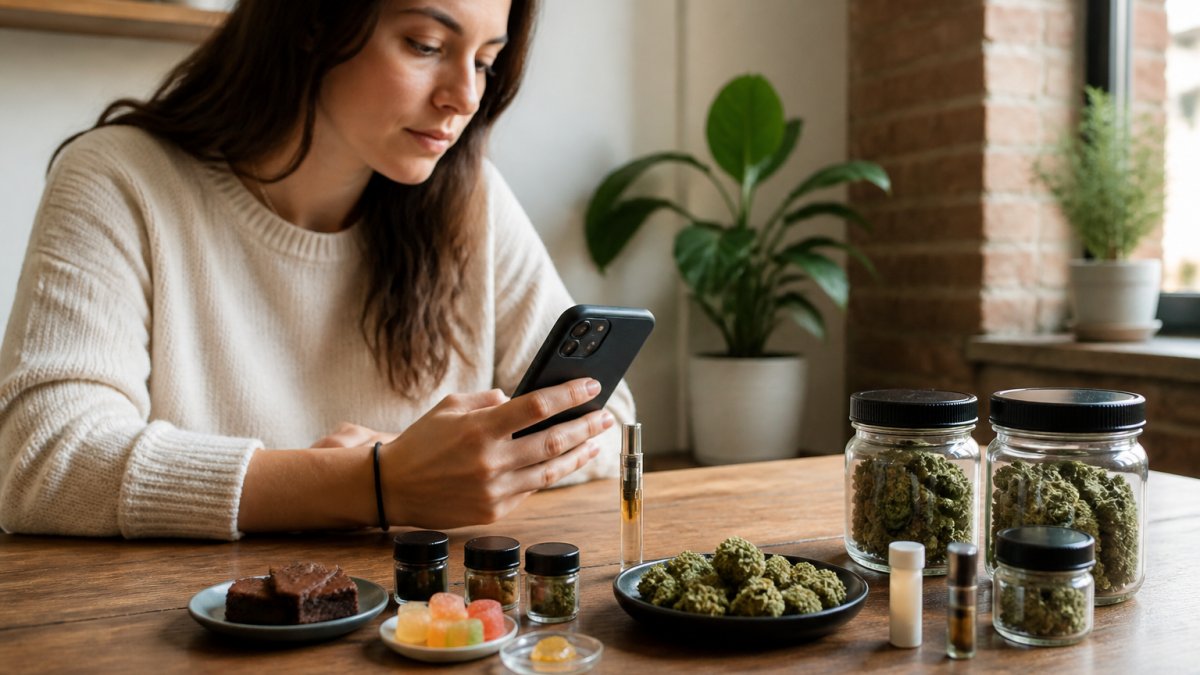
Common edible formats may include:
• Gummies
• Chocolates
• Brownies
• Cookies
• Capsules
• Caramels
• Baked goods
• Cooking oils
• Butter-based foods
• Savory foods
The RSO/FECO should be distributed evenly throughout the recipe so each portion contains a more
consistent amount of THC.
Why Is Fat Used in RSO/FECO Edibles?
THC and other cannabinoids are fat-soluble, meaning they dissolve more readily in fats than in water.
Fat-based ingredients may include:
• Butter
• Coconut oil
• MCT oil
• Ghee
• Chocolate
• Nut butter
• Other cooking oils
The fat does not activate THC. Properly manufactured RSO/FECO is generally already activated through
decarboxylation during processing.
Instead, the fat helps:
• Dissolve the RSO/FECO
• Distribute it throughout the recipe
• Reduce clumping or uneven concentration
• Support the absorption of orally consumed cannabinoids
• Make the thick extract easier to work with
Heat activates THC. Fat helps carry, distribute, and absorb it.
Why RSO/FECO Works Well in Edibles
RSO/FECO is naturally thick, concentrated, and strongly flavored. Using it directly from a syringe can make
precise measurement difficult for some consumers.
Incorporating it into an edible may provide:
• Easier portioning
• Less direct handling of sticky concentrate
• More consistent measured servings
• A familiar food-based format
• Longer-lasting effects than inhaled cannabis
• The ability to soften the natural flavor with other ingredients
The final potency depends on the amount and strength of the RSO/FECO, the size of the recipe, and the
number of portions produced.
Does RSO/FECO Need to Be Decarboxylated Again?
Properly manufactured RSO/FECO is generally already decarboxylated during extraction and processing.
This means much of the THCA has already been converted into active THC.
It usually does not require the same decarboxylation step used when preparing raw cannabis flower for
edibles.
However, consumers should verify the product information and follow the manufacturer’s instructions. Not
every cannabis extract is produced in exactly the same way.
Excessive additional heating may affect flavor, consistency, and some of the compounds retained in the
extract.
RSO/FECO Edibles vs. Distillate Edibles
Many commercial cannabis edibles are made with THC distillate. Distillate is highly refined and commonly
contains a high concentration of one primary cannabinoid.
RSO/FECO is different because it is intended to preserve a broader range of naturally occurring plant
compounds.
RSO/FECO Edibles
• Made with whole-plant or full-extract cannabis oil
• May retain a broader cannabinoid profile
• Usually have a stronger plant flavor
• May be darker in color
• Can taste bitter, earthy, and spicy
Distillate Edibles
• Made with highly refined cannabis extract
• Usually have less natural cannabis flavor
• Often have a lighter color
• Are commonly used in flavored commercial products
• May contain a narrower cannabinoid profile
Neither format should be judged by THC percentage alone. Consumers should review the label, ingredients,
potency, and testing information.
Why Does RSO/FECO Have a Strong Taste?
RSO/FECO retains concentrated compounds from the cannabis plant. These compounds can create a
naturally strong flavor that many consumers describe as:
• Bitter
• Earthy
• Spicy
• Herbal
• Plant-like
Chocolate, peanut butter, caramel, cinnamon, mint, citrus, and other strong flavors may help soften the taste.
The goal is not always to completely hide the natural flavor. It is to balance it so the finished edible is more
enjoyable while maintaining the character of the extract.
Why Even Distribution Matters
RSO/FECO is highly concentrated. If it is not distributed evenly throughout the recipe, one portion may
contain considerably more THC than another.
Consistent distribution requires:
• Accurate measurement
• A compatible fat or carrier
• Thorough mixing
• Controlled temperature
• Equal portion sizes
• Clear potency calculations
The finished mixture should be divided evenly only after the RSO/FECO has been thoroughly incorporated.
Homemade vs. Regulated RSO/FECO Edibles
A regulated commercial edible is produced under controlled manufacturing procedures and is subject to
applicable testing, packaging, serving-size, and labeling requirements.
Homemade edibles may be more difficult to dose consistently because consumers may not have access to:
• Laboratory potency testing
• Commercial mixing equipment
• Standardized portioning tools
• Batch-production records
• Verified serving-size calculations
Consumers should never assume that a homemade edible contains an exact amount of THC unless the
starting potency, formulation, mixing, and portion sizes are accurately controlled.
RSO/FECO can be incorporated into food by blending the concentrated extract with a compatible fat-based
ingredient and distributing it evenly throughout the recipe.
The three essential principles are:
• Confirm that the RSO/FECO is already activated
• Blend it thoroughly with fat for even distribution
• Calculate and divide the finished recipe carefully
Accurate measurement and even mixing determine the consistency of an RSO/FECO edible.
Educational notice: This material is provided for general educational purposes and is not medical advice. Cannabis products should be
used only as permitted by applicable law and product labeling.
RSO/FECO Edibles: Potency, Mixing, Portioning, and Preparation
RSO/FECO is highly concentrated, so accurate potency calculations and thorough mixing are essential when
it is incorporated into food. Even when the starting extract has been laboratory tested, the finished edible will
only be as consistent as the preparation and portioning process.
This section explains the basic principles used to calculate approximate potency, blend RSO/FECO into a
compatible fat, control temperature, and divide a recipe into more consistent servings.
Start With the Tested Potency of the RSO/FECO
Before calculating the potency of an edible, identify the total amount of THC contained in the RSO/FECO
being used.
The package or certificate of analysis may list:
• Total weight of the extract
• THC percentage
• Total THC in milligrams
• Other cannabinoids
• Batch information
• Testing date
Whenever the label already provides the total milligrams of THC in the syringe or container, that number is
generally the easiest starting point.
• One syringe contains 1 gram of RSO/FECO
• The label states that the syringe contains 700 milligrams of THC
If the entire syringe is used in one recipe, the recipe begins with approximately 700 milligrams of THC
before preparation losses and portioning.
How to Calculate THC From a Percentage
When the label gives a THC percentage but does not provide total milligrams, the approximate THC content
can be calculated from the extract’s weight.
One gram equals 1,000 milligrams.
• 1 gram of RSO/FECO
• 70% THC
1,000 mg x 0.70 = 700 mg THC
This means that one gram of RSO/FECO testing at 70% THC contains approximately 700 milligrams of THC.
This calculation should be based on the actual tested potency of the product rather than an estimate based
on appearance, brand, or past batches.
How to Calculate THC Per Portion
Once the total THC in the recipe is known, divide it by the number of equal portions.
• Total THC in the recipe: 700 mg
• Number of portions: 35
700 mg / 35 portions = 20 mg THC per portion
• Total THC in the recipe: 600 mg
• Number of portions: 60
600 mg / 60 portions = 10 mg THC per portion
These calculations provide an estimate. Actual potency may vary because of mixing, transfer loss, heat
exposure, uneven portion sizes, and differences in the tested extract.
Why Portion Size Must Be Consistent
Even a correct potency calculation can become unreliable when the finished food is not divided evenly.
For example, if a batch is calculated for 30 servings but the finished pieces vary substantially in size, the
larger pieces may contain more THC than the smaller ones.
Consistent portioning may require:
• Measuring the total finished mixture
• Using molds of equal capacity
• Weighing individual portions
• Cutting baked goods into equal dimensions
• Using a portion scoop
• Recording the number of finished pieces
The potency calculation should use the actual number of portions produced, not merely the number originally
planned.
Why RSO/FECO Should Be Blended With Fat First
RSO/FECO is thick and sticky. Adding it directly to a large recipe can make it difficult to distribute evenly.
A common preparation principle is to first blend the measured RSO/FECO into a small amount of warm,
compatible fat, such as:
• Butter
• Coconut oil
• MCT oil
• Ghee
• Chocolate
• Nut butter
• Another oil used in the recipe
This creates a more uniform concentrated mixture that can then be incorporated into the remaining
ingredients.
The fat should be warm enough to soften and dissolve the RSO/FECO, but it should not be overheated.
Use Gentle, Controlled Heat
Properly manufactured RSO/FECO is generally already decarboxylated, so it usually does not need to be
heated aggressively to activate the THC.
Gentle heat may help:
• Soften the thick extract
• Blend it into the carrier fat
• Reduce sticking to utensils or containers
• Improve distribution throughout the recipe
Excessive heat may affect flavor, consistency, and some of the naturally occurring compounds retained in the
extract.
Use enough warmth to mix the RSO/FECO evenly, not more heat than the recipe requires.
Account for Transfer Loss
RSO/FECO can remain attached to the syringe, mixing container, spoon, or other equipment. This is known
as transfer loss.
Transfer loss can reduce the amount of THC that reaches the finished recipe and make the calculated
potency less precise.
To reduce transfer loss:
• Warm the closed syringe gently according to the manufacturer’s directions
• Dispense the extract directly into the warmed carrier fat
• Use a small mixing container
• Scrape the sides thoroughly
• Avoid transferring the mixture between multiple containers
• Incorporate all visible residue when possible
Even with careful handling, homemade calculations remain approximate.
Add the Carrier at the Correct Stage
The best stage for adding the RSO/FECO carrier depends on the recipe. In general, the infused fat should be
added during the stage when fats or liquid ingredients are normally incorporated.
Examples include:
• Adding infused butter to brownie batter
• Blending infused coconut oil into melted chocolate
• Mixing infused oil into a gummy base
• Incorporating infused nut butter into a filling
• Adding infused cooking oil to a prepared sauce
The mixture should be stirred thoroughly before the recipe is divided into portions.
Why Water-Based Recipes Can Be More Difficult
Oil-based RSO/FECO does not naturally dissolve evenly in water.
When it is added directly to a water-based liquid, it may:
• Float on the surface
• Form oily droplets
• Collect along the container
• Separate during cooling
• Create uneven potency
Some products require emulsifiers or specialized manufacturing methods to distribute cannabinoids evenly in
water-based foods or beverages.
For ordinary preparation, RSO/FECO is generally easier to distribute through a compatible fat-based
ingredient.
Continue Mixing Before Portioning
Some edible mixtures can begin to separate while they sit.
This can be especially important with:
• Gummies
• Melted chocolate
• Sauces
• Syrups
• Oil-heavy mixtures
• Products that cool or thicken quickly
The mixture may need to be stirred regularly during portioning so the RSO/FECO remains distributed
throughout the batch.
The first portion and last portion should be produced from the same thoroughly mixed formulation.
Avoid Estimating by Eye
The color or darkness of an edible does not reveal its potency.
Do not estimate THC content based on:
• Color
• Taste
• Smell
• Thickness
• Size alone
• The amount of visible cannabis flavor
Accurate calculations require the tested potency of the starting RSO/FECO, the amount used, and the
number of finished portions.
Why Flavor Balance Matters
RSO/FECO can taste bitter, earthy, spicy, herbal, and concentrated.
Strong complementary ingredients may help balance the flavor, including:
• Dark chocolate
• Peanut butter
• Caramel
• Cinnamon
• Mint
• Citrus
• Coffee
• Vanilla
• Berry
• Molasses
Flavoring can make the edible more enjoyable, but it does not change the THC potency.
A product that tastes mild may still be highly concentrated.
Do Not Confuse Flavor With Strength
The natural flavor of RSO/FECO may be noticeable in one recipe and almost completely masked in another.
This does not mean the stronger-tasting edible contains more THC.
Potency depends on:
• The tested strength of the extract
• The amount used
• The total recipe size
• The number of portions
• How evenly the mixture was distributed
Consumers should rely on the label and calculation, not the taste.
Baking and Cooking Considerations
RSO/FECO can be incorporated into baked foods, but unnecessary exposure to very high temperatures
should be avoided.
The internal temperature of a baked product is often lower than the oven setting, but preparation conditions
vary.
Important considerations include:
• Do not heat the RSO/FECO separately at excessive temperatures
• Blend it into the fat before adding it to the recipe
• Avoid scorching the infused ingredient
• Follow the normal cooking time for the food
• Do not extend cooking solely because the recipe contains RSO/FECO
• Allow the finished product to cool before dividing it when necessary
The purpose of cooking is to prepare the food, not to reactivate properly manufactured RSO/FECO.
Record the Complete Batch Calculation
A written batch record can reduce confusion and help maintain consistency.
A basic record may include:
• Product name
• RSO/FECO batch number
• Weight of extract used
• Tested THC percentage
• Total calculated THC
• Carrier fat and amount
• Recipe name
• Number of finished portions
• Approximate THC per portion
• Preparation date
• Storage instructions
For regulated commercial production, applicable manufacturing, testing, packaging, labeling, and
recordkeeping requirements must be followed.
Example Batch Calculation
Assume the following:
• 1 gram of RSO/FECO
• Tested potency: 75% THC
• Total planned portions: 50
1,000 mg x 0.75 = 750 mg THC
750 mg / 50 portions = 15 mg THC per portion
The estimated result is approximately 15 mg THC per portion.
If the finished batch produces only 45 equal portions instead of 50, the calculation must be adjusted:
750 mg / 45 portions = approximately 16.7 mg THC per portion
This example shows why the final number of portions matters.
Homemade Potency Is Still an Estimate
Even careful calculations cannot guarantee laboratory-level uniformity in a homemade product.
Possible sources of variation include:
• Incomplete transfer from the syringe
• Uneven mixing
• Separation during portioning
• Inconsistent portion size
• Testing variation
• Ingredient loss
• Residue left on equipment
• Heat and storage conditions
Homemade potency should therefore be treated as an approximation rather than an exact laboratory result.
Key Takeaway
Consistent RSO/FECO edibles depend on four essential steps:
• Start with the tested potency of the RSO/FECO
• Blend the extract thoroughly into a compatible fat
• Mix the complete recipe evenly
• Divide the finished batch into equal portions
Calculate first, blend thoroughly, portion evenly, and record the finished batch.
Educational notice: This material is provided for general educational purposes and is not medical advice. Cannabis products should be
used only as permitted by applicable law and product labeling.
Effects, Storage, Safety, and Frequently Asked Questions
RSO/FECO edibles provide a convenient way to consume whole-plant cannabis extract, but they require
careful measurement, secure storage, and patience.
Unlike inhaled cannabis, an edible must pass through the digestive system before much of its THC reaches
the bloodstream. This can delay the onset of effects and make the experience less predictable.
How Long Do RSO/FECO Edibles Take to Work?
There is no single onset time that applies to every person or every edible.
The timing may depend on:
• The amount consumed
• The potency of the edible
• Whether it was taken with food
• The amount of fat in the meal
• Individual metabolism
• Cannabis tolerance
• Prior experience with oral THC
• Other medications or substances
Some consumers may notice effects within an hour, while others may require two hours or longer. Because
onset can be delayed, consumers should not assume that an edible is ineffective simply because they do not
feel immediate effects.
A delayed onset does not mean the edible is weak. It may still be processing through the
digestive system.
Why RSO/FECO Edibles Can Feel Different From Inhaled Cannabis
When cannabis is inhaled, cannabinoids enter the bloodstream through the lungs and effects generally begin
relatively quickly.
When an RSO/FECO edible is swallowed, the THC travels through the digestive system and is processed by
the liver. During this process, some THC is converted into active metabolites, including 11-hydroxy-THC.
This difference may contribute to effects that are:
• Slower to begin
• Longer-lasting
• More gradual
• More intense than expected
• Less predictable between individuals
Experience with smoking or vaping cannabis does not automatically determine how someone will respond to
an edible.
How Long Can the Effects Last?
The duration of an RSO/FECO edible depends on the amount consumed, potency, food intake, metabolism,
tolerance, and other individual factors.
Oral cannabis effects generally last longer than inhaled cannabis. The strongest effects may pass before all
impairment has ended.
Consumers should avoid:
• Driving
• Operating machinery
• Working at heights
• Supervising hazardous activities
• Performing safety-sensitive work
A person should not rely solely on feeling mostly normal when deciding whether it is safe to drive.
Start With the Labeled Serving
Consumers should always follow the serving information printed on the regulated product label.
A serving is not determined by:
• The size of the package
• The size of the entire brownie or cookie
• The amount another person consumes
• The consumer’s experience with inhaled cannabis
• How strongly the product tastes like cannabis
A multiple-serving product may contain several individual servings. Consumers should identify the serving
lines, portion markings, or labeled quantity before consuming it.
Allow Adequate Time Before Consuming More
Consuming additional THC before the first serving has taken full effect is one of the main causes of
accidental overconsumption with edibles.
Consumers should:
• Follow the product’s stated waiting period
• Avoid repeatedly sampling the edible
• Record the time the first serving was consumed
• Wait before deciding whether to consume more
• Remember that food and metabolism can change onset time
Why Food Intake Can Change the Experience
THC and other cannabinoids are fat-soluble. Food, particularly food containing fat, may affect their
absorption.
The same edible may feel different when consumed:
• On an empty stomach
• Immediately after a meal
• With a high-fat meal
• At a different time of day
• During illness or dehydration
For a more consistent experience, consumers may find it helpful to use the same product under similar food
and timing conditions.
Avoid Combining RSO/FECO Edibles With Alcohol
Alcohol and other intoxicating substances may increase impairment and make the effects of THC more
difficult to predict.
Consumers should also use caution when taking medications that may cause:
• Drowsiness
• Dizziness
• Confusion
• Changes in blood pressure
• Changes in heart rate
• Reduced coordination
A qualified healthcare professional or pharmacist should be consulted regarding potential medication
interactions.
How Should RSO/FECO Edibles Be Stored?
Storage requirements vary depending on the type of edible and its ingredients.
• In its original labeled package
• With the child-resistant closure secured
• Away from direct sunlight
• Away from excessive heat
• Under any stated refrigeration requirements
• Separate from ordinary food
• Out of sight and reach of children
• Away from pets
• In a locked location when possible
Why the Original Package Matters
The original packaging provides important information, including:
• Product identity
• Total THC
• THC per serving
• Ingredient list
• Allergen information
• Batch number
• Required warnings
• Expiration or best-use date
• Storage instructions
An RSO/FECO edible should never be placed in an unmarked food container, plastic bag, or ordinary candy package.
Once removed from its original package, it may be mistaken for regular food.
Keep RSO/FECO Edibles Away From Children
Cannabis edibles may resemble brownies, gummies, chocolates, cookies, or other familiar foods. This makes
them especially vulnerable to accidental consumption by children.
Consumers should:
• Use child-resistant packaging correctly
• Lock the product away after every use
• Never leave an edible on a counter or table
• Avoid referring to it as candy or a treat
• Keep cannabis food separate from household snacks
• Explain safe storage expectations to other adults
• Dispose of unwanted products securely
A high shelf alone may not be sufficient. A locked cabinet or secure container provides better protection.
Keep RSO/FECO Edibles Away From Pets
THC can also be harmful to animals. Chocolate-based cannabis edibles may create an additional risk
because both THC and chocolate can be dangerous to pets.
Consumers should:
• Keep edibles in sealed containers
• Clean up crumbs and spills
• Dispose of wrappers securely
• Prevent pets from reaching trash containers
• Contact a veterinarian promptly after a suspected exposure
What Should Someone Do After Accidental Ingestion?
When a child, unintended adult, or pet may have consumed an RSO/FECO edible, do not wait for severe
symptoms before seeking guidance.
For a suspected human exposure:
• Keep the package available
• Estimate how much may have been consumed
• Record the approximate time
Contact Poison Control at 1-800-222-1222
• Seek emergency assistance for severe symptoms
For a suspected pet exposure, contact a veterinarian or emergency veterinary service promptly.
Possible Signs of Excessive THC Consumption
Signs may include:
• Extreme sleepiness
• Confusion
• Anxiety or panic
• Paranoia
• Poor coordination
• Rapid heart rate
• Nausea or vomiting
• Hallucinations
• Unusual behavior
• Difficulty remaining awake
Call 911 for symptoms such as:
• Breathing difficulty
• Loss of consciousness
• Seizure
• Chest pain
• Severe injury
• Inability to awaken the person
Homemade Edibles Require Additional Caution
Even when potency calculations are performed carefully, homemade RSO/FECO edibles may not have the
uniformity of regulated, laboratory-tested products.
Variation can result from:
• Uneven mixing
• Transfer loss
• Separation during preparation
• Unequal portion sizes
• Ingredient loss
• Inaccurate measurements
• Differences in the starting extract
• Changes during cooking or storage
Homemade potency should be treated as an approximation. Every finished item should be clearly identified
as containing THC and protected from unintended consumption.
Labeling Homemade RSO/FECO Edibles
A basic homemade label may include:
• Contains THC
• Product or recipe name
• Date prepared
• RSO/FECO batch information
• Estimated total THC
• Estimated THC per portion
• Number of portions
• Ingredient list
• Allergen information
• Storage instructions
• Keep away from children and pets
A homemade label does not replace regulated testing or commercial labeling requirements, but it can reduce
confusion and accidental consumption.
Can RSO/FECO Edibles Expire?
Yes. The cannabis extract, fats, dairy products, flavoring, and other food ingredients can change or spoil over
time.
Consumers should consider:
• The expiration date of the original ingredients
• Whether the edible requires refrigeration
• Exposure to heat or moisture
• Changes in smell, appearance, or texture
• Signs of mold or spoilage
• The condition of the packaging
Do not consume an edible that appears spoiled, contaminated, improperly stored, or unlabeled.
Freezing RSO/FECO Edibles
Some RSO/FECO edibles may be frozen when the recipe and packaging permit it.
Before freezing:
• Divide the product into clearly measured portions
• Wrap or seal the portions securely
• Label the package as containing THC
• Include the preparation date
• Keep it separate from ordinary frozen foods
• Place it inside a locked or inaccessible container Freezing may preserve the food, but it does not make the THC inactive
Frequently Asked Questions
Does baking destroy all the THC?
No. Normal cooking or baking does not automatically eliminate all THC. However, excessive heat, prolonged
heating, scorching, and inconsistent preparation may affect product quality and estimated potency.
Properly manufactured RSO/FECO is generally already activated, so the purpose of cooking is to prepare the
food – not to activate the extract again.
Can RSO/FECO be added directly to any food?
RSO/FECO can be incorporated into many foods, but it distributes more reliably when first blended into a
compatible fat. Adding thick RSO/FECO directly to a completed dish may create uneven concentration.
Does a stronger cannabis taste mean more THC?
No. A bitter, earthy, or spicy flavor does not prove that an edible contains more THC. Strong ingredients may
conceal the taste without changing the potency.
Can the same amount affect two people differently?
Yes. Individual response may differ because of metabolism, body composition, food intake, tolerance,
medications, prior cannabis experience, and the potency and formulation of the edible.
Consumers should not copy another person’s serving routine.
Can RSO/FECO edibles be used sublingually?
Most foods are designed to be swallowed and processed through the digestive system. A product intended
for sublingual or oromucosal use should be formulated and labeled for that route rather than assumed to work
like an ordinary edible
Should RSO/FECO edibles be refrigerated?
Only when required by the ingredients, recipe, product label, or manufacturer. Chocolate, baked goods,
gummies, butter-based products, and other formats may have different storage needs.
Can an edible be cut into smaller portions?
A regulated edible may be divided only when its structure and label allow the consumer to identify the
intended portions accurately. Homemade products may be difficult to divide consistently when the original
mixture or piece size is uneven.
Can someone drive after the strongest effects wear off?
Not necessarily. Residual impairment may continue after the strongest noticeable effects have passed.
Consumers should not drive until they are no longer impaired.
Final Takeaway
RSO/FECO edibles can provide a measured, food-based way to consume whole-plant cannabis extract, but
responsible use requires patience and secure handling.
The most important principles are:
• Read the complete label
• Confirm the potency per serving
• Consume only a measured portion
• Allow adequate time before considering more
• Do not drive while impaired
• Avoid combining THC with alcohol
• Keep every edible locked away from children and pets
• Preserve the original packaging and product information
Measure the portion, respect the delayed onset, and protect the product from unintended
consumption.
Educational notice: This material is provided for general educational purposes and is not medical advice. Cannabis products should be
used only as permitted by applicable law and product labeling.