Colorado Cannabis Clones: Built for Colorado, Bred to Produce
Colorado cannabis clones can be difficult to find, especially genetics that have actually been selected and tested for Colorado growing conditions.
Westword recently reported that cannabis clones have become a niche product and can be harder to find at Denver dispensaries. Colorado growers are also asking online where they can find quality clones, and Kind Meds has been recommended by Colorado cannabis consumers on Reddit.
But finding a clone is only part of the equation.
The genetics behind that clone matter.
At Kind Meds, we don’t simply buy a plant, take cuttings and put them on a shelf.
We have collected and preserved seeds and pollen over many years, building a genetic library that allows us to breed, cross, backcross and hunt for the traits we want.
Our clones are the end result of that work—not the beginning.
Years of Genetics Behind Our Colorado Cannabis Clones
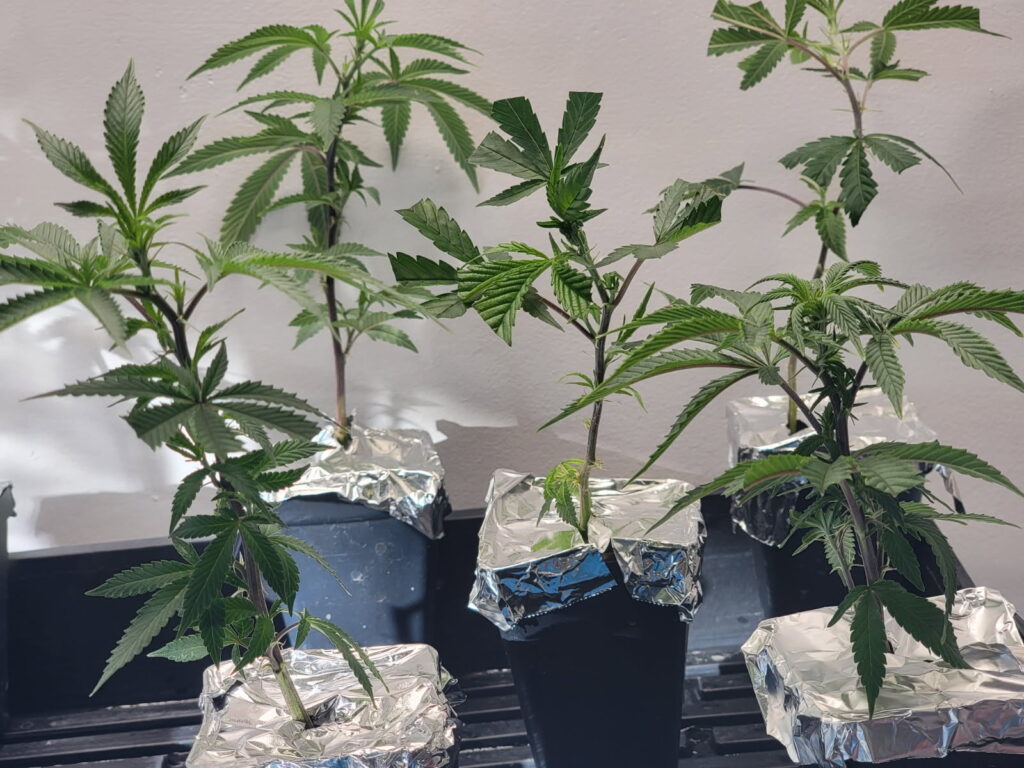
Our breeding program can begin with seeds and pollen we’ve preserved for years.
That gives us the ability to revisit older genetics, make new crosses and bring desirable traits forward into future generations.
Not every plant makes it.
We grow multiple plants, evaluate them and eliminate genetics that don’t meet our standards.
When we find something worth pursuing, we may cross it again or backcross it to reinforce the traits we’re looking for.
Finding the right phenotype can take eight months or longer.
We take that time because we’re not trying to produce the most clones as quickly as possible.
We’re developing genetics we actually want to grow ourselves.
Meet the Grower Behind the Genetics
Behind the Kind Meds genetics program is Miss B, a cultivator with 17 years of hands-on cannabis growing experience.
Over those years, she has worked with more than a million plants, giving her firsthand experience with how different genetics respond to training, stress, climate, nutrition, flowering, disease pressure, harvest and processing.
Today, she also manages the Kind Meds outdoor cultivation operation, handling an amount of work that would normally require a much larger crew.
But there is one title she doesn’t use:
“Master Grower.”
Her philosophy is simple: when someone believes they have mastered growing, they leave less room to keep learning.
Cannabis is a living plant. Different genetics, seasons and environments continue to teach a grower something new.
That philosophy shapes the Kind Meds breeding program.
We don’t believe great cannabis requires the most expensive nutrients or the most complicated equipment.
It starts with good genetics, observation, plant health, experience and knowing how to read the plant.
The goal isn’t to force weak genetics to perform.
The goal is to find genetics that want to perform.
Built in Colorado for Colorado Conditions
Colorado isn’t an easy growing environment.
Colorado State University Extension identifies conditions such as low humidity, intense sunlight, fluctuating temperatures, drying winds and rapidly changing weather as challenges Colorado growers have to deal with.
That matters when selecting genetics.
Hot days can turn into cold nights. Temperatures can change quickly. The air is dry, and sunlight can be intense.
That’s why our Colorado cannabis clones come from genetics we select here.
We look for plants that continue performing through:
- Hot Colorado summer days
- Cold nights
- Rapid temperature swings
- Colorado’s dry climate
- Strong sunlight
- Common cultivation pressures such as powdery mildew
During selection, we train our plants and expose them to controlled stress.
The stress does not create better genetics.
It helps us identify the genetics that are already tough enough to keep performing when conditions become challenging.
If a plant continually struggles, it doesn’t move forward.
We test the plant before we trust the plant.
We Hunt for the Right Pheno
A beautiful plant isn’t automatically a keeper.
We’re looking for the phenotype—or pheno—that combines the traits we want.
We evaluate how it grows.
We look at vigor and structure.
We see how it responds to stress.
We flower it.
Then we test and evaluate the finished bud.
For genetics intended for extraction, we go even further.
We wash and process them.
Because we want to know what the genetics actually do after harvest.
We Test the Bud Too
Our evaluation doesn’t stop when the plant comes down.
We also test and evaluate the finished flower.
We want to know how the bud actually performs after months of breeding and selection.
We evaluate characteristics such as:
- Flower quality
- Terpene expression
- Resin and trichome production
- Overall performance
- Consistency
- How the genetics perform when washed
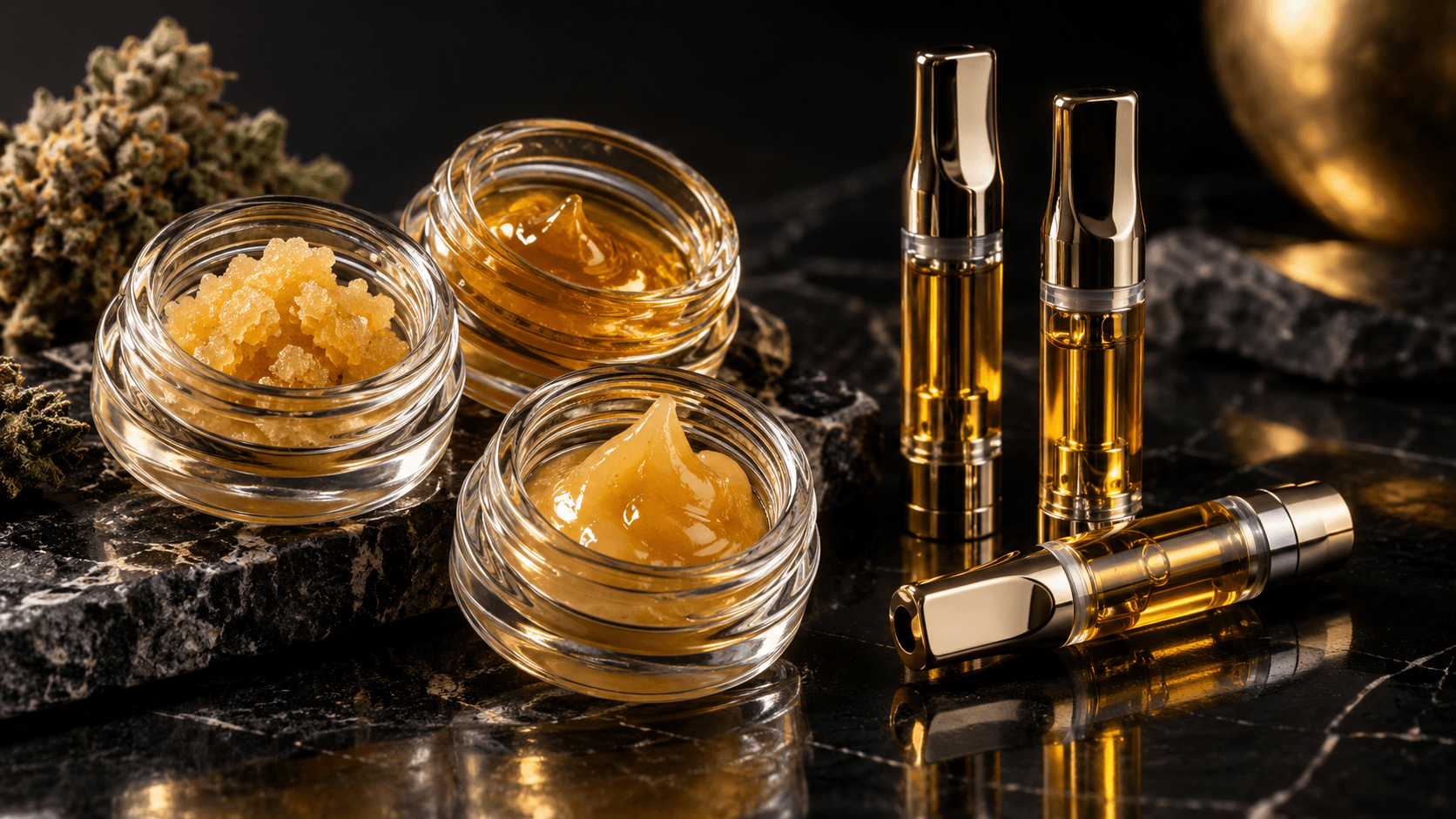
- How they perform when processed into concentrates
The customer sees the clone.
We see the entire process that came before it.
We Breed for Performance, Not Just Appearance
Bag appeal matters.
But it isn’t everything.
Some cannabis can produce beautiful flower and still give very little back when it’s washed for hash or processed into concentrates.
That’s not what we’re breeding for.
Kind Meds puts a strong emphasis on:
- Terpene expression
- Resin and trichome production
- Hash yield
- Concentrate yield
- Plant vigor
- Strong structure
- Environmental resilience
- Consistency
Some of our cultivars may not produce the most picture-perfect flower in the room.
That’s okay.
We breed for performance, not just appearance.
When we wash a cultivar, we want those trichomes to give something back.
When we process it, we want yield.
And when we evaluate the finished product, we want the terpene characteristics we selected for to still be there.
The Real Test Comes After Harvest
Our breeding decisions aren’t based only on how a plant looks while it’s growing.
After harvest, we ask:
How does the finished bud perform?
How are the terpenes?
How much resin does it produce?
How does it wash?
How does it process?
What kind of yield does it return?
Those answers help determine whether a genetic line continues in our program.
A plant with beautiful bag appeal but disappointing production may not make the cut.
Another plant may look less perfect but produce exceptional resin, terpenes and hash yield.
For our breeding program, that plant may be much more valuable.
Resin You Can See—and Feel
Resin production is one of the traits we pay close attention to.
Some of our flower becomes so resinous that our own pre-rolls can burn slowly enough that they occasionally need to be relit.
That’s how heavily resinous some of our selections can be.
For us, the question isn’t simply:
Does the flower photograph well?
We also want to know:
Does it produce?
Why We Don’t Keep the Same Mother Forever
Our clone program doesn’t depend on keeping the same aging mother plant indefinitely.
Once we’ve selected a plant, we take cuttings from her.
Then we eventually flower the original plant and evaluate the finished bud.
Healthy young plants from that genetic line become the next source for cuttings.
Then the process continues.
Our goal is to keep working with young, vigorous plant material instead of depending on one aging mother year after year.
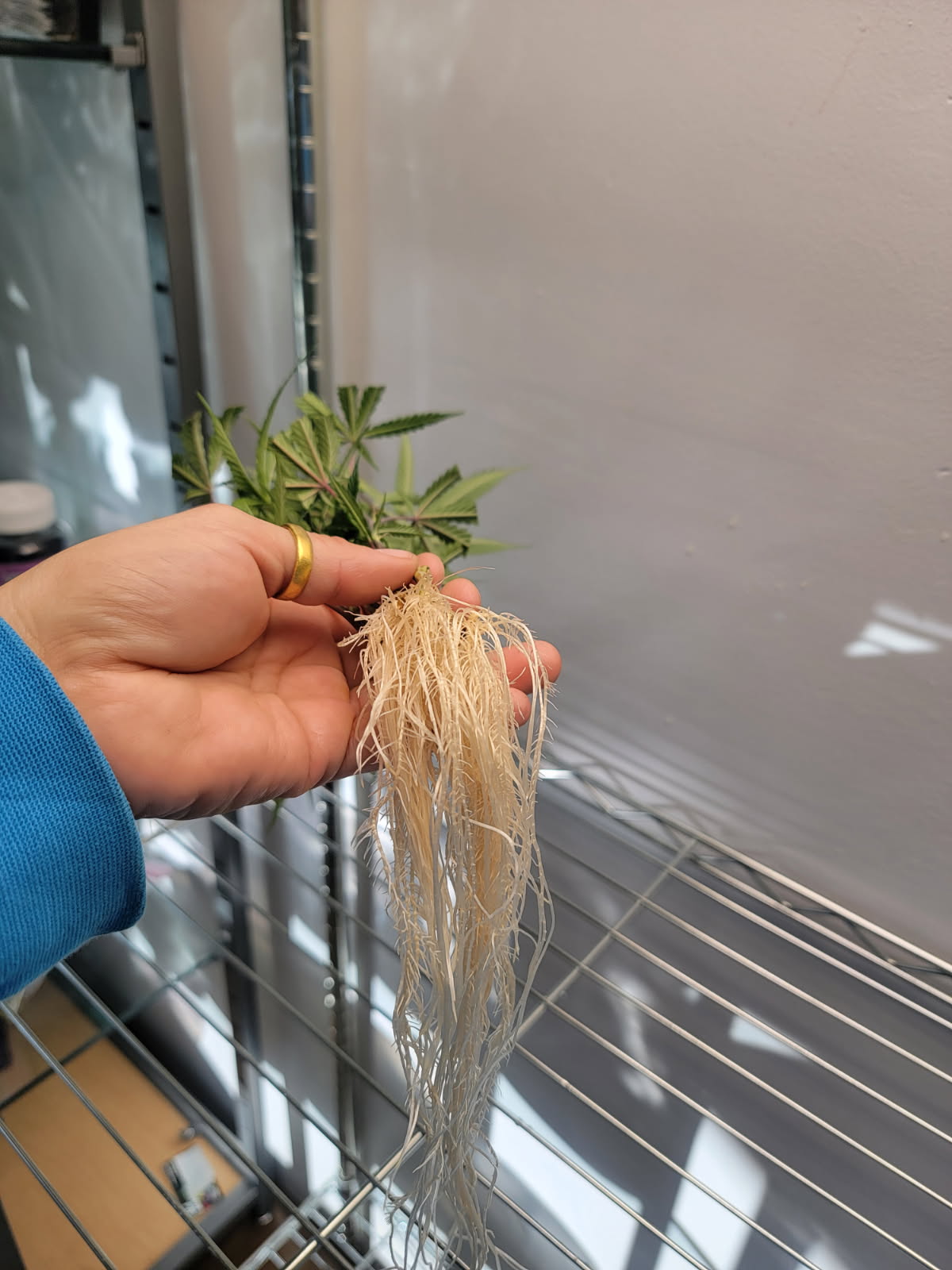
Under our normal propagation conditions, Kind Meds clones can become fully rooted in less than seven days.
Colorado Cannabis Clones From Our Colorado Springs Grow
Kind Meds Colorado Springs has something customers don’t see at most dispensaries.
Our dispensary sits directly in front of our cultivation operation.
The genetics aren’t simply coming from an unknown nursery.
They’re connected directly to the grow behind the store.
We breed them.
We grow them.
We train and select them.
We flower them.
We test and evaluate the finished bud.
We wash and process selected genetics.
Then what we learn goes back into the breeding program.
It’s a continuous cycle:
Seed and pollen → breeding → selection → stress testing → pheno hunting → flowering → bud evaluation → washing and processing → selection again.
By the time a Kind Meds clone reaches the customer, we’ve already learned a lot about the genetics behind it.
Cannabis Clones in Denver
Kind Meds also makes our Colorado cannabis clones available through our Denver dispensary at 260 Santa Fe Drive when inventory is available.
For someone searching for cannabis clones in Denver or clones near me, we think there is a better question to ask than simply:
“What strains do you have?”
Ask:
Where did these genetics come from, and what were they selected to do?
That’s where the difference begins.
Looking for Colorado Cannabis Clones?
Clone inventory changes because these are living plants, but Kind Meds carries Colorado cannabis clones for growers through our Colorado Springs and Denver locations when available.
What makes our clones different isn’t simply that we sell them.
It’s everything that happened before the clone reached the shelf.
Years of preserved seeds and pollen.
Breeding.
Crossing and backcrossing.
Stress testing.
Pheno hunting.
Flowering.
Testing and evaluating the bud.
Washing and processing.
Selecting again.
Then—and only when we believe the genetics are worth continuing—do they become part of the Kind Meds clone program.
Built in Colorado. Tested in Colorado. Bred for Colorado—and bred to produce.
Washing and processing.
Selecting again.
Then—and only when we believe the genetics are worth continuing—do they become part of the Kind Meds clone program.
Built in Colorado. Tested in Colorado. Bred for Colorado—and bred to produce.