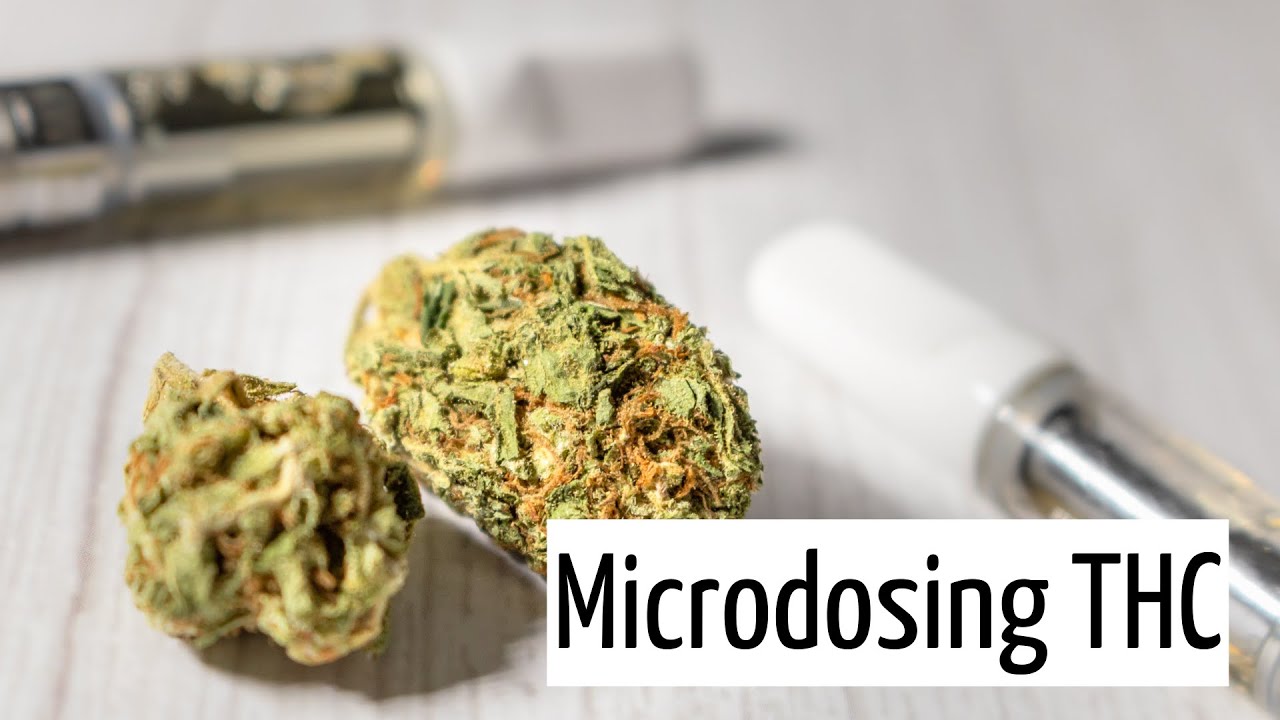
The cannabis conversation has shifted a lot in the last decade. With legalization continuing to spread and new research emerging, consumers are more and more curious about what they’re putting into their bodies. But with curiosity comes confusion, especially when comparing synthetic cannabinoids vs. natural cannabis. While both substances ultimately interact with the body’s endocannabinoid system, their origins, effects, and risks couldn’t be more different. Understanding the difference between synthetic vs. natural cannabis is an important step toward making safe and informed choices.
What are Synthetic Cannabinoids?
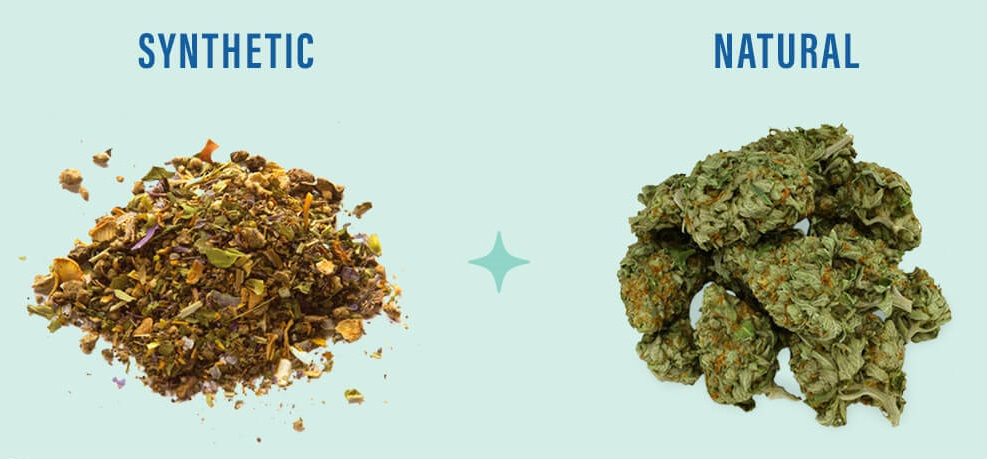
Synthetic cannabinoids represent artificially created chemicals that have the purpose of mimicking THC, an active ingredient in natural cannabis. These chemicals are usually sprayed onto dried plant material and sold under various names, such as “K2,” “Spice,” or “Herbal Incense.” They’re marketed as legal alternatives to marijuana, but that label can be dangerously misleading.
While synthetic cannabinoids bind to the same receptors in the brain as THC, they do so at a much greater intensity. This makes their effects not only unpredictable but in many cases, dangerous. Researchers have found that even slight changes in their chemical structure can dramatically alter how the body reacts.
What Is Natural Cannabis?
Natural cannabis is the Cannabis sativa or Cannabis indica plant that humans have cultivated since time immemorial for medicinal and recreational purposes, among other uses. It contains a balanced selection of cannabinoids, such as THC and CBD, along with terpenes-natural chemical substances that affect flavor, aroma, and effect.
Unlike artificial variants, natural cannabis works in concert with the endocannabinoid system of the body. Its effects can range from relaxation and euphoria, pain relief, and sleep improvement, depending on the strain and dosage. When used responsibly and sourced safely, the natural cannabis effects are generally well-tolerated and predictable as opposed to the artificial variants.
Synthetic vs Natural Cannabis: What’s the Difference?
When comparing synthetic to natural cannabis, the following are a few critical differences:
Origin: Natural cannabis comes from a plant, whereas synthetic cannabinoids are man-made chemical compounds without an organic origin.
Composition: Cannabis contains over 100 different naturally occurring cannabinoids that work together; a phenomenon known as the “entourage effect.” Synthetic cannabinoids isolate or invent compounds not found in nature.
Potency: Synthetic products can be up to 100 times more potent than THC itself, therefore producing extreme and unpredictable reactions.
Legality and Testing: While various synthetic cannabinoids are legally available until they are banned, formulas are changed all the time to skirt around regulations. Natural cannabis is becoming more regulated, with standards in place for cultivation, testing, and labeling.
Safety: The danger of synthetic cannabinoids lies in their instability. This might lead to extreme anxiety, hallucinations, seizures, and even death among users. In contrast, natural cannabis does not carry a risk of fatal overdose and is generally safer when consumed in moderation.
The Dangers of Synthetic Cannabinoids.
On the question of safety for synthetic cannabinoids, the record is alarming. Thousands of cases ranging from severe nausea and vomiting to organ failure have been reported by emergency departments all over the world. Since many such synthetic products are prepared in unregulated laboratories, users cannot be certain of what they consume or in what amount.
The CDC and other health agencies have issued repeated warnings about the dangers of such products. Even experienced cannabis users have found themselves in medical emergencies after experimenting with synthetic alternatives.
Quite simply, the risk of synthetic cannabinoids lies in their unpredictability: one batch can contain several unknown chemicals, each with toxic potential.
Natural Cannabis and Its Benefits.
By contrast, the therapeutic potential of natural cannabis has become the subject of extensive research. From chronic pain and anxiety management to an improvement in sleep and appetite, the effects of natural cannabis are more consistent and manageable. Medical cannabis is prescribed under controlled conditions, with accurate dosages and safe products.
In addition, natural cannabis products are tested for pesticides, heavy metals, and potency when sourced from licensed dispensaries. Such transparency in testing enables consumers to make informed decisions about what they are using.
Why Some Turn to Synthetic Cannabinoids.
Despite the recognized hazards, people still resort to synthetic cannabinoids because they are often inexpensive and, in certain parts of the country, easier to access. In states where cannabis is still illegal, these products are sometimes viewed as a way to get around the ban and achieve a “legal high.” But the illusion of legality does not equate to safety. The long-term effects of synthetic cannabinoids remain poorly understood, while the short-term risks are simply too great to be ignored.
Making the Safer Choice.
When weighing synthetic cannabinoids against natural cannabis, one is far safer and more predictable than the other. Natural cannabis boasts centuries of historical use, scientific research, and growing regulatory oversight. Synthetic cannabis is dangerous, unknown-and an experiment that too often ends in harm.
If you happen to be considering cannabis for medical or recreational purposes, then education, legality, and safety should go hand in hand. Opt for lab-tested products from reputable dispensaries that suit your health needs.
Final Thoughts.
But one thing is clear in the continuing discussion of synthetic versus natural cannabis: not all cannabinoids are created equal. While scientists continue to study both natural and synthetic compounds for possible medical benefits, consumers should approach synthetics with extreme caution. The appeal of a stronger or “legal” high isn’t worth the very real risks.
Nature has given us a plant that already works in balance with the human body. Understanding that harmony—and respecting it—may be the key to unlocking cannabis’s true potential, safely and responsibly.